
English Version (Scroll Down for Spanish)
1. Candidate Bio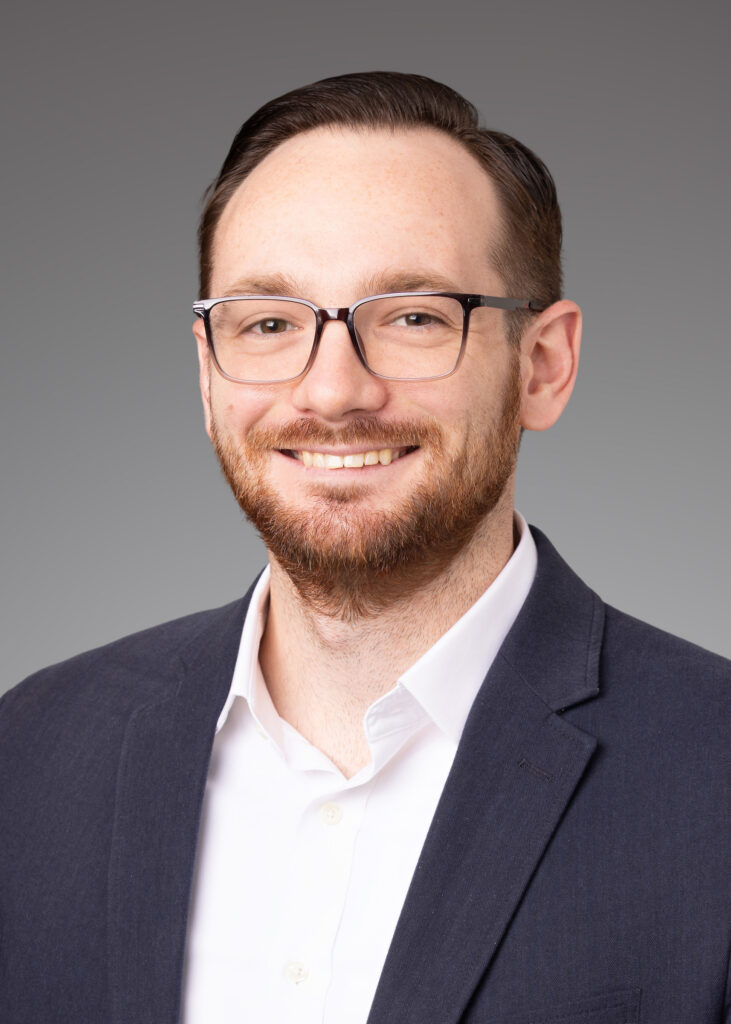
My wife, Kristin, and I have called Larchmont home for more than 10 years, so
our connection to this community is both personal and long-term. My wife grew
up here and attended Central, Hommocks, and MHS, and now we are raising our
young son here. Our schools are central to what makes Larchmont and
Mamaroneck such a special place to live, which is why I care deeply about the
district’s future.
I have a B.A. from Purchase College, SUNY, where I graduated magna cum
laude. Professionally, I work in marketing and communications at a large
professional services firm. Before that, I spent most of my career at education-
focused organizations, including one that provided sensory movement activities
for students and another that offered certifications and skills testing for high
school and college students. That experience gave me insight into how district
decisions affect students, teachers, and families. I would bring strong
communication, strategic thinking, and a practical, student-centered perspective
to the Board.
At my core, I believe strong public schools help children grow into capable,
curious, and connected young people, while strengthening the community by
bringing families together, attracting new residents, and reinforcing the shared
investment we all have in this place.
2. Why are you running for the board of education?
I’m running for the Board of Education because I believe Mamaroneck is at an
important point where we need to balance fiscal responsibility with continued
investment in our students and teachers. The district’s low cost-per-pupil is a
strength, but it cannot come at the expense of educational quality. We are seeing
experienced teachers leave the district, and if we want Mamaroneck to continue
excelling academically, we need to stay focused on retaining, attracting, and
growing top teaching talent.
I’m also running because I believe there is an opportunity to strengthen
communication with residents about the district’s investments and why they
matter. While knocking doors, I found that many residents are supportive when
decisions are clearly connected to student needs, long-term value, and district
priorities. My background in marketing and communications would help me
contribute to that effort and support stronger community trust.
Finally, I want to help the district think more broadly about student opportunity,
including stronger career pathways for students who are not college-bound.
3. What is the biggest issue facing our schools and how can you help address it?
I believe the biggest issue facing our schools is making sure the district identifies
student needs early and then follows through with the right support, staffing, and
communication. That starts with expanding Universal Pre-K so more children can
enter kindergarten ready to learn and with earlier interventions. It also means
being more proactive in responding to rising special education needs, while
making sure those supports are effective, sustainable, and well planned. At the
same time, we have to retain and attract great teachers, because strong support
systems only work when they are matched by strong educators in the classroom.
I can help address that by bringing strategic thinking, strong communication, and
a practical, data-informed approach to decision-making. My background in
communications and education-focused organizations would help me ask
thoughtful questions, look closely at what is working, and better explain to
residents not just what the district is investing in, but why. I would also bring a
thoughtful perspective on technology and AI, making sure we work closely with
educators and put clear guardrails in place so technology enhances learning
without replacing student thinking or weakening core skills.
Spanish Version
1. Candidate Bio
Mi esposa, Kristin, y yo hemos llamado a Larchmont nuestro hogar durante más
de 10 años, por lo que nuestra conexión con esta comunidad es tanto personal
como de largo plazo. Mi esposa creció aquí y asistió a Central, Hommocks y
MHS, y ahora estamos criando aquí a nuestro hijo pequeño. Nuestras escuelas
son una parte central de lo que hace que Larchmont y Mamaroneck sean
lugares tan especiales para vivir, y por eso me importa profundamente el futuro
del distrito.
Tengo una licenciatura de Purchase College, SUNY, donde me gradué magna
cum laude. Profesionalmente, trabajo en marketing y comunicaciones en una
gran firma de servicios profesionales. Antes de eso, pasé la mayor parte de mi
carrera en organizaciones enfocadas en la educación, incluida una que ofrecía
actividades de movimiento sensorial para estudiantes y otra que brindaba
certificaciones y evaluaciones de habilidades para estudiantes de secundaria y
universitarios. Esa experiencia me dio una perspectiva sobre cómo las
decisiones del distrito afectan a los estudiantes, maestros y familias. Aportaría
una sólida capacidad de comunicación, pensamiento estratégico y una
perspectiva práctica y centrada en los estudiantes a la Junta.
En el fondo, creo que las escuelas públicas sólidas ayudan a los niños a
convertirse en jóvenes capaces, curiosos y conectados, al mismo tiempo que
fortalecen a la comunidad al unir a las familias, atraer a nuevos residentes y
reforzar la inversión compartida que todos tenemos en este lugar.
2. Why are you running for the board of education?
Me postulo para la Junta de Educación porque creo que Mamaroneck se
encuentra en un momento importante, en el que debemos equilibrar la
responsabilidad fiscal con una inversión continua en nuestros estudiantes y
maestros. El bajo costo por alumno del distrito es una fortaleza, pero no puede
lograrse a costa de la calidad educativa. Estamos viendo que maestros con
experiencia se van del distrito, y si queremos que Mamaroneck siga
destacándose académicamente, debemos mantenernos enfocados en retener,
atraer y desarrollar a los mejores talentos docentes.
También me postulo porque creo que existe una oportunidad para fortalecer la
comunicación con los residentes sobre las inversiones del distrito y por qué son
importantes. Al tocar puertas, descubrí que muchos residentes apoyan las
decisiones cuando están claramente conectadas con las necesidades de los
estudiantes, el valor a largo plazo y las prioridades del distrito. Mi experiencia en
marketing y comunicaciones me ayudaría a contribuir a ese esfuerzo y a
fortalecer la confianza de la comunidad.
Finalmente, quiero ayudar al distrito a pensar de manera más amplia sobre las
oportunidades para los estudiantes, incluyendo trayectorias profesionales más
sólidas para aquellos que no planean ir directamente a la universidad.
3. What is the biggest issue facing our schools and how can you help address it?
Creo que el mayor desafío que enfrentan nuestras escuelas es asegurarnos de
que el distrito identifique las necesidades de los estudiantes temprano y luego dé
seguimiento con el apoyo, el personal y la comunicación adecuados. Eso
comienza con la expansión del Pre-K Universal, para que más niños puedan
ingresar al kindergarten preparados para aprender, junto con intervenciones más
tempranas. También significa ser más proactivos al responder al aumento de las
necesidades de educación especial, asegurándonos de que esos apoyos sean
eficaces, sostenibles y bien planificados. Al mismo tiempo, debemos retener y
atraer a excelentes maestros, porque los sistemas de apoyo sólidos solo
funcionan cuando están acompañados por educadores sólidos en el aula.
Puedo ayudar a abordar este desafío aportando pensamiento estratégico,
comunicación sólida y un enfoque práctico basado en datos para la toma de
decisiones. Mi experiencia en comunicaciones y en organizaciones enfocadas
en la educación me ayudaría a hacer preguntas reflexivas, analizar
cuidadosamente qué está funcionando y explicar mejor a los residentes no solo
en qué está invirtiendo el distrito, sino por qué. También aportaría una
perspectiva reflexiva sobre la tecnología y la inteligencia artificial, asegurándome
de que trabajemos de cerca con los educadores y establezcamos límites claros
para que la tecnología mejore el aprendizaje sin reemplazar el pensamiento de
los estudiantes ni debilitar las habilidades fundamentales.